
Posts tagged: Transparency
9 posts found

Automation Without Surrender: User Control in Market-Neutral Trading
Automation in crypto trading doesn’t have to mean surrendering control. This post explores how disciplined, rule-based execution can coexist with user autonomy through non-custodial access, scoped API permissions, and transparent execution logs. AlphaHouse’s market-neutral framework is designed to keep you in the driver’s seat—balancing automation with explicit risk controls, auditability, and structured oversight so you can evaluate every component before committing capital.
Transparency by Design: How Trading Systems Earn Trust
Transparency in algorithmic trading isn’t optional—it’s the foundation of trader confidence. This post explores how documentation, execution audit logs, risk controls, and real-time monitoring reduce uncertainty and decision fatigue in a systematic, market-neutral crypto trading environment.

Security by Design in Algorithmic Trading
Algorithmic trading security is no longer optional; it’s essential for anyone serious about disciplined crypto strategies. Your data and exchange-linked assets face constant threats if controls aren’t designed with precision and transparency. This post outlines the key design principles that protect your API keys, enforce least privilege access, and keep your trading environment resilient. Understanding these safeguards helps you trade with greater confidence and autonomy on a market-neutral trading platform. For more insights on safeguarding algorithmic trading, visit this resource.

Ensuring Security in Algorithmic Trading: Protecting User Assets
Security in algorithmic trading depends on more than automation—it requires deliberate design choices that protect user assets without removing control. This post outlines how non-custodial architecture, strict API permissions, encryption, monitoring, and transparency work together to reduce risk and safeguard systematic trading strategies.
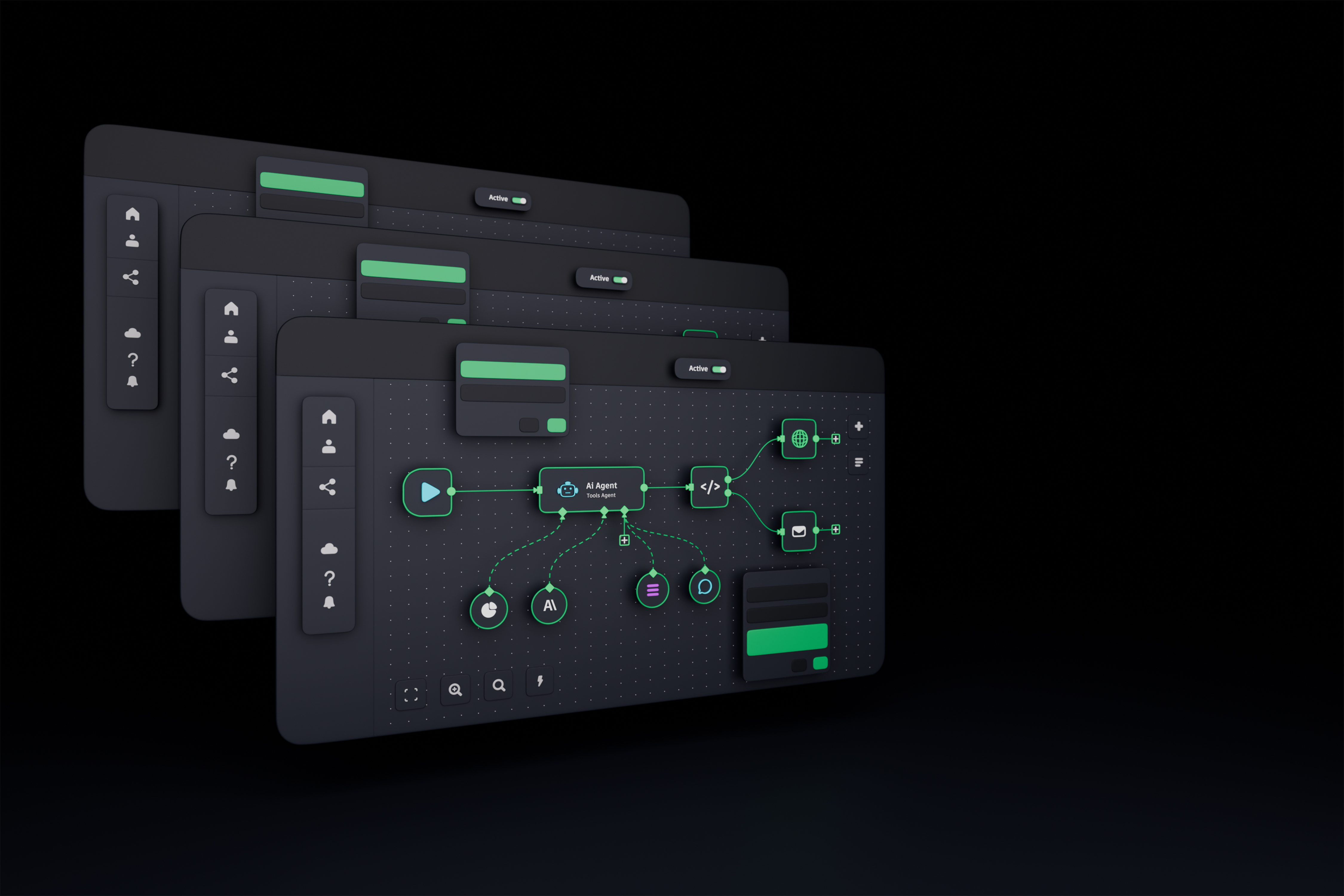
Automation and Control: Practical Trade-Offs in Systematic Crypto Trading
Automation can reduce emotional bias and improve consistency in crypto trading—but it also introduces important trade-offs around control and discretion. This post explores how systematic, market-neutral trading balances speed and structure with user-defined guardrails, showing how disciplined automation can support execution quality without sacrificing transparency or oversight.
Why Transparency and Real-Time Monitoring Matter in Crypto Futures
Transparency and real-time monitoring are essential for disciplined algorithmic crypto futures trading. By providing clear visibility into signals, execution, and risk metrics, traders can reduce errors, manage exposure, and build trust in market-neutral strategies. This approach emphasizes control, accountability, and informed decision-making over opacity and hype.
Transparency and Control: Cornerstones of Trust in Algorithmic Trading
Transparency and user control are essential for building trust in algorithmic trading. When traders can see how decisions are made and retain authority over strategy parameters, uncertainty and emotional errors are reduced. AlphaHouse is designed around these principles, combining clear system visibility with structured, market-neutral strategies to support confident and disciplined crypto trading.
The Importance of Transparency and Control in Algorithmic Trading Platforms
Transparency and user control are essential in modern algorithmic trading. When traders understand how systems operate and retain authority over strategy parameters, they can reduce uncertainty and emotional decision-making. AlphaHouse is built around these principles, combining clear system visibility with customizable, disciplined trading frameworks designed to support confident participation in fast-moving markets.

Why Security Isn't Optional: Institutional-Grade Protection
Security isn’t a feature you add later, it’s the foundation. AlphaHouse is built to keep you in control while reducing risk: your funds stay on your exchange (no custody), permissions can be limited to trade-only API access, and operations are designed with auditability and fail-safes in mind.