
Automated trading cuts through the noise and emotional swings that often cloud crypto decisions. Still, automation doesn’t mean giving up all control—knowing where to draw the line between speed, consistency, and hands-on discretion shapes your results. This post unpacks those trade-offs in systematic trading, showing how AlphaHouse builds user-defined guardrails within market-neutral strategies to keep control where you want it. Let’s explore how disciplined automation can support your execution discipline without sacrificing transparency. For further reading on automated crypto trading, check out this guide.
Automation vs Control in Crypto Trading
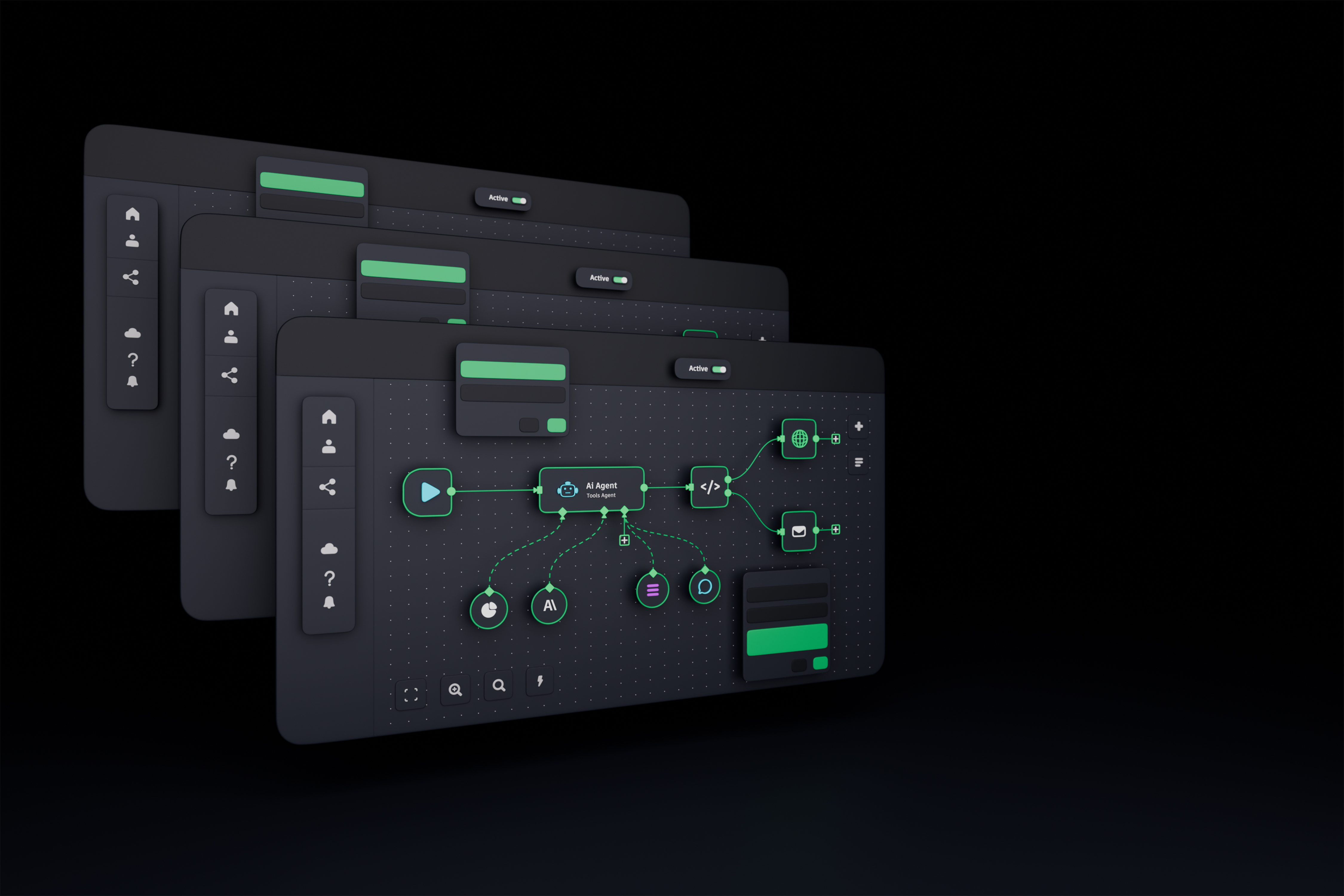
Automation in crypto trading offers a unique blend of benefits and challenges. While it reduces emotional bias, it also demands a balance between speed and user control. Let's dive into how these dynamics play out in real-world scenarios.
Speed, Consistency, and Transparency
In a market that never sleeps, speed is crucial. Automated systems execute trades faster than humanly possible. These systems also bring consistency, adhering to predefined rules without emotional interference. This advantage is evident in systematic trading, where algorithms follow set strategies to reduce noise and decision fatigue. But how do you ensure transparency in a process driven by machines? That's where execution logs come into play, offering insights into every trade made. You can explore more about this here.
Discretion and Intervention Trade-Offs
While automation speeds things up, it does so at the cost of discretion. You can't intervene in real-time as you could with manual trading. This trade-off requires trust in the algorithmic trading platform and its logic. However, maintaining some level of oversight is important. Systems like AlphaHouse allow you to set parameters, ensuring you retain a layer of control. It's not about giving up control entirely but about shifting how you manage it.
Structuring User-Defined Guardrails

Balancing automation and user control involves setting thoughtful boundaries. These guardrails help manage risk while leveraging the full potential of automated strategies.
Market-Neutral Framework Essentials
Market-neutral strategies aim to profit by balancing long and short positions, reducing market direction dependency. This approach focuses on hedging and neutrality rather than outright market prediction. By setting these frameworks, you can manage volatility effectively. It's about structure over speculation, reducing exposure to sudden market shifts. For a deeper dive into these concepts, check out this article.
Parameter Tuning and Risk Management
Tuning parameters is crucial for effective risk management. By adjusting settings like position sizing and stop-loss levels, you can create a system that aligns with your risk tolerance. This form of parameter tuning ensures that your strategy adapts to market conditions while minimizing potential losses. Remember, it's about managing risk, not eliminating it. Consistent monitoring and adjustment keep your framework robust and responsive.
Exploring AlphaHouse's Features
AlphaHouse offers tools designed to enhance control and transparency in automated trading. These features empower users to engage with their strategies meaningfully.
Transparent Execution Logs and Controls
One of the standout features is the detailed execution logs. These logs provide transparency, showing every trade's rationale and outcome. You can see the mechanics behind each decision, fostering trust in the system. The platform also includes controls like kill-switches, allowing you to pause strategies if needed. This transparency and control combination is essential for maintaining confidence in automated trading systems.
Exchange Integrations and Quant Models
AlphaHouse integrates seamlessly with various exchanges, supporting a wide range of trading pairs. This integration ensures you can implement market-neutral strategies across different platforms. The use of quant models for crypto allows for sophisticated analysis and execution, enhancing decision-making accuracy. These models are the backbone of the system, providing the data-driven insights needed to navigate complex markets effectively. For more information on these integrations, visit this guide.
In conclusion, while automation reduces the noise and emotional bias in crypto trading, it also requires a new kind of vigilance. By understanding and structuring the right guardrails, traders can leverage the benefits of automation while maintaining necessary oversight. AlphaHouse stands as a partner in this journey, offering tools and insights that respect both the power of technology and the importance of user control.